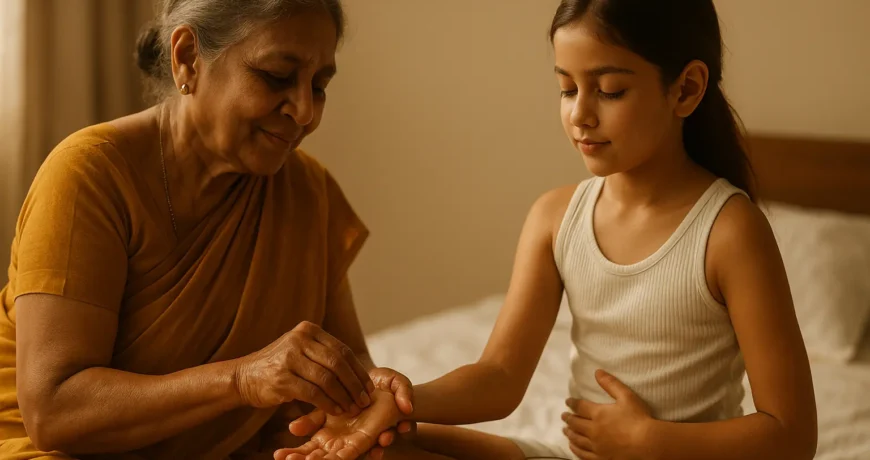
The Patti Bath Ritual: Why Our Grandmothers Never Used Soap
If your Patti bathed you today, she would never reach for a foaming soap.
She would gently mix herbs with water, ask you to sit quietly after your bath, and remind you to eat simple food. In her wisdom, skin was never treated as a surface problem. It was cared for as a living, feeling extension of the body and mind.
At Araah, we believe glow is not manufactured. It is remembered.
This blog is an invitation to return to the Patti bath ritual — a time-tested way of cleansing, calming, and caring for skin without harsh chemicals or urgency.
The Deeper Truth: Skin Was Never Meant to Be Stripped
Modern soaps clean by force. Foam became proof of purity.
Traditional Indian bathing followed a very different logic.
In Ayurveda, skin health is governed by:
• Pitta – heat and inflammation
• Vata – dryness and sensitivity
Excess heat leads to irritation, pigmentation, rashes, and acne.
Excess dryness leads to flaking, sensitivity, and premature ageing.
Chemical soaps disturb both by stripping natural oils, heating the skin barrier, and triggering rebound oiliness or dryness.
Patti chose balance over force.
Why Patti Avoided Soap (And Why You May Want To Too)
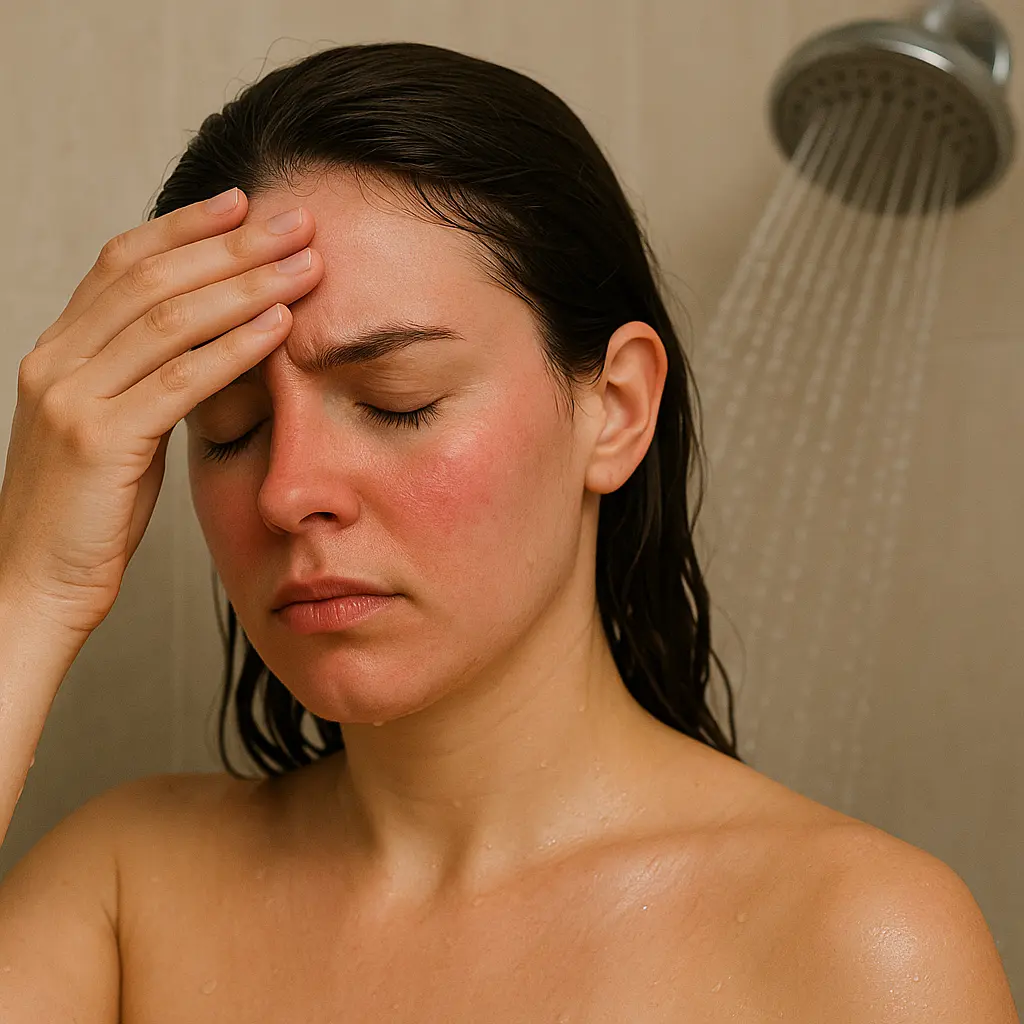
1. Soap Removes Protective Oils
Soap dissolves natural lipids that protect the skin barrier.
Over time, this makes skin reactive and sensitive.
Patti’s approach was simple:
Clean without stripping.
2. Foam Signals Aggression, Not Care
More foam often means stronger surfactants.
These disturb the skin microbiome — the good bacteria that protect against inflammation.
Patti’s approach:
Gentle powders that respect skin ecology.
3. Daily Soap Increases Heat and Dryness
Daily soaping raises internal heat (Pitta), leading to:
• Tanning
• Body acne
• Itching
• Dullness
Patti’s approach:
Cooling herbs used mindfully.
4. Artificial Fragrance Confuses the Skin
Synthetic perfumes overstimulate the nervous system and irritate sensitive skin.
Patti’s approach:
Natural aromas from roots, flowers, and pulses.
What Patti Used Instead: The Sacred Herbal Bath Powder
Before bottles and brands, Indian homes relied on ubtan — a herbal bath powder made from roots, grains, flowers, and lentils.
This was not cosmetic care.
It was daily hygiene aligned with nature.
Why Herbal Bath Powders Worked
• Cleaned gently without removing natural oils
• Absorbed sweat and odour naturally
• Reduced body acne and heat rashes
• Softened rough patches and tan
• Kept skin fresh, calm, and breathable
Araah’s Nalangu Maavu Herbal Bath Powder continues this legacy with carefully balanced herbs, free from chemicals, perfumes, and foaming agents.
What ubtan Does for Your Skin
• Gently reduces tan
• Helps fade dark spots over time
• Brightens dull skin naturally
• Softens elbows, knees, and heels
• Controls body acne
• Evens skin tone
• Keeps skin calm and breathable
“This is how we kept our skin bright without chemicals.” — Patti
How Patti Used the Bath Powder
Step 1: Mix Mindfully
Mix the powder with water, rose water, or milk to form a soft paste.
Step 2: Apply Gently
Apply on damp skin using slow, circular movements.
Step 3: Wait Briefly
Leave on for 2–5 minutes only.
Enough for herbs to work without drying the skin.
Step 4: Rinse Kindly
Rinse gently.
No harsh rubbing.
No urgency.
Rituals work when done regularly.
After-Bath Calm: The Forgotten Step
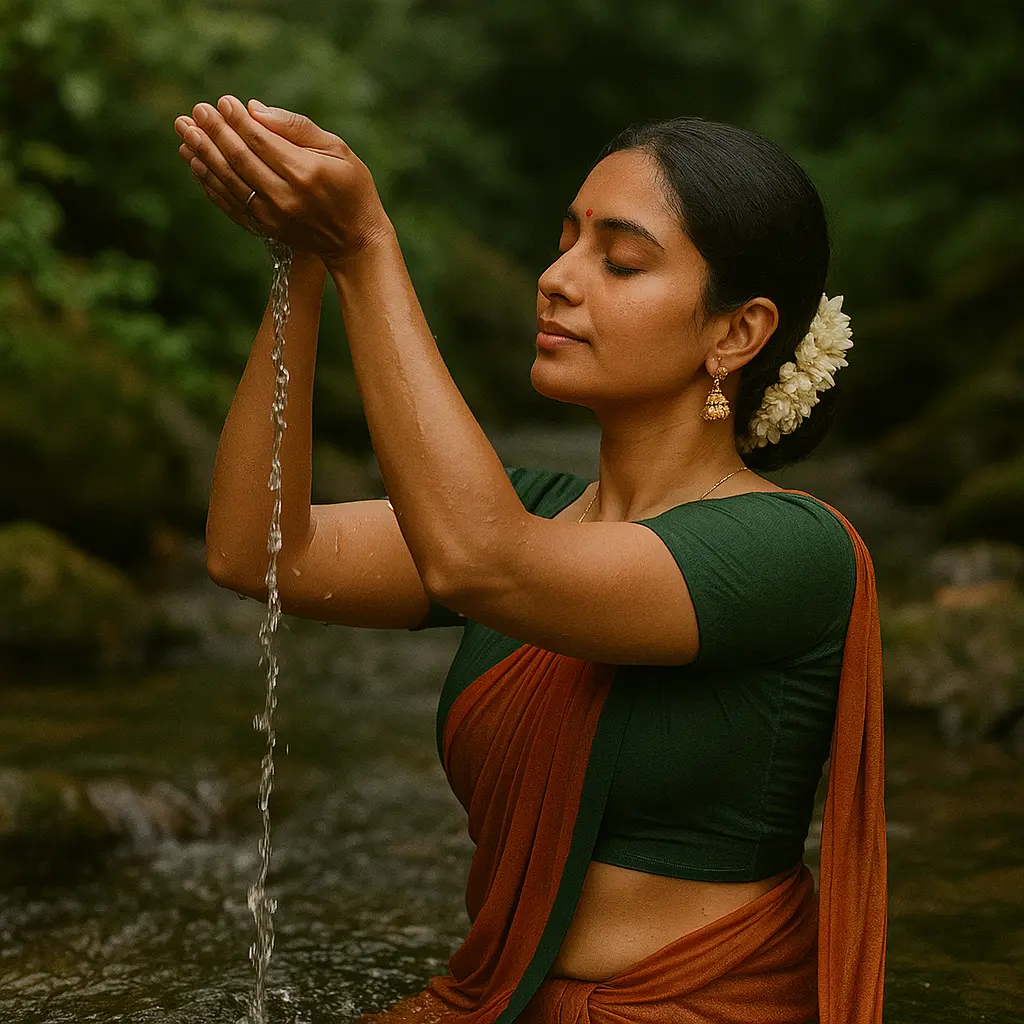
Bathing was never rushed.
Two-Minute Cooling Ritual
• Close your eyes
• Breathe slowly
• Relax your shoulders
• Let the body cool naturally
This regulates the nervous system and reduces stress-triggered skin issues like acne, itching, and pigmentation.
Cool mind leads to cool skin.
Once a Week: The Ritual of Giving
Skin care was never selfish.
Once a week, Patti would:
• Offer fruits
• Share a meal
• Give water to someone in need
This lightened the heart and softened emotions.
Skin glows when the heart becomes light.
Healing Affirmation
I return to gentle care.
I choose calm over force.
My skin remembers its natural balance.