

How AC, Late Nights, and Screens Affect Men’s Skin
Many men follow a basic skincare routine but still feel their skin looks dull, uneven, or harder to manage than before.
In most cases, the problem is not the products.
Modern lifestyle habits — especially air conditioning, late nights, and constant screen exposure — quietly affect how men’s skin behaves every day.
This blog explains how these factors influence men’s skin and what simple, realistic changes can reduce their impact without adding complicated routines.
1. AC Environments Dry the Skin Without You Noticing

Air conditioning removes moisture from the air.
When skin stays in AC for long hours:
- Water evaporates faster from the skin
- Natural hydration levels drop silently
- Skin feels fine initially, then tight later
Because there is no immediate discomfort, many men don’t connect AC exposure with skin issues.
Over time, this leads to reduced skin comfort, increased oil rebound, and patchy dryness.
2. Why Men Are More Affected by AC Exposure
Men often:
- Sit long hours in AC offices
- Drive daily with AC on
- Skip moisturising consistently
Combined with higher oil production, this creates a confusing pattern where skin feels greasy on the surface but dehydrated underneath.
This is why many men experience oiliness and dryness at the same time.
3. Late Nights Disrupt Skin Recovery Cycles
Skin repairs itself most effectively during deep sleep.
When sleep is delayed or irregular:
- Skin repair slows down
- Barrier recovery remains incomplete
- Skin feels less resilient the next day
Late nights don’t just reduce sleep hours — they shift the body’s repair timing.
Even good skincare cannot fully compensate for consistently poor sleep patterns.
4. Screen Exposure Affects Skin More Than Expected
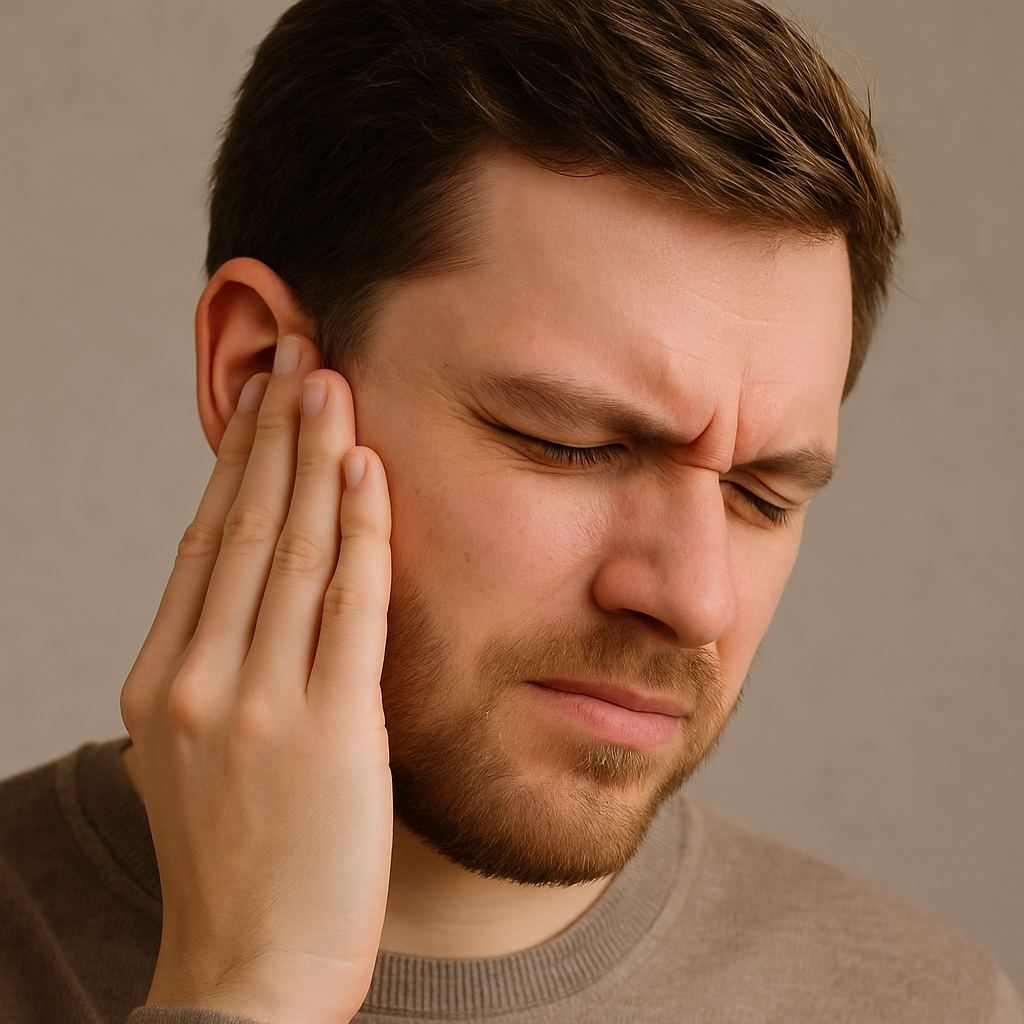
Prolonged screen time affects skin in two key ways.
Indirect impact through sleep
- Screens delay melatonin release
- Sleep quality drops
- Skin recovery suffers
Environmental and muscular stress
- Reduced blinking
- Facial muscle tension
- Poor posture
Over time, these contribute to a tired and strained skin appearance.
5. The Combined Effect of AC, Screens, and Late Nights
Individually, each factor may seem harmless.
Together, they create continuous low-level stress on the skin.
This often results in:
- Skin that looks dull despite cleansing
- Reduced comfort
- Inconsistent response to skincare
This is why many men feel their skincare “stopped working,” when lifestyle factors are actually overriding it.
6. Simple Habits That Reduce Lifestyle-Related Skin Stress
Reducing this impact does not require drastic changes.
Helpful habits include:
- Using moisturiser consistently in AC environments
- Avoiding screens at least 45 minutes before sleep
- Maintaining regular sleep timing
- Supporting skin recovery at night
Small adjustments allow skin to recover more efficiently.
7. Why Night Care Matters More With Modern Lifestyles
Daytime habits expose skin to dryness, light exposure, and environmental stress.
Nighttime is when skin:
- Restores hydration
- Repairs the barrier
- Regains balance
Supporting skin at night helps counteract daily lifestyle stress even with simple routines.
WHAT MEN SHOULD UNDERSTAND
Modern lifestyles place continuous, subtle stress on men’s skin.
AC, late nights, and screens don’t cause immediate problems, but their effects accumulate quietly.
Understanding this shifts focus to habits over complexity and recovery over overcorrection.
TAKEAWAY
Skin issues are not always caused by poor skincare choices.
Often, they reflect daily lifestyle patterns.
By understanding how AC, sleep habits, and screen exposure affect skin, men can make small changes that support comfort, balance, and long-term skin health.