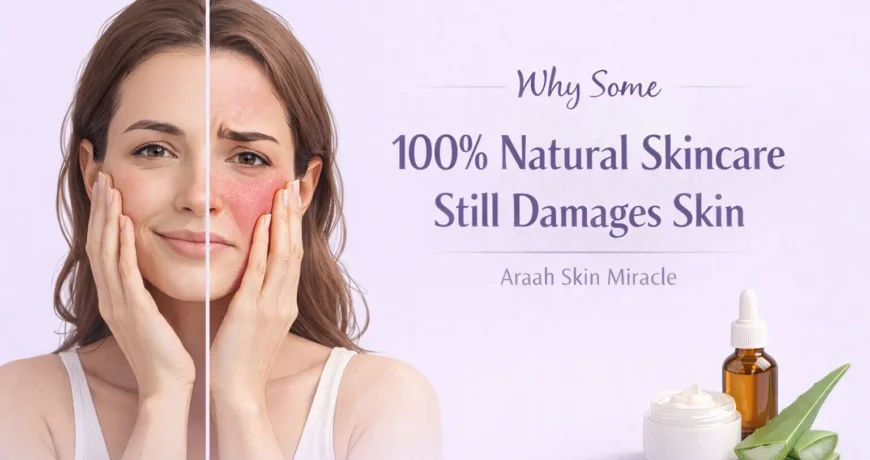
Why “100% Natural” Products Still Damage Skin
“100% natural” has become one of the most trusted phrases in modern skincare.
Many people assume:
- Natural means safe
- Natural means gentle
- Natural means long-term healing
Unfortunately, this is not always true.
Many people experience unexpected reactions after switching to natural skincare, including:
- Sudden dryness
- New pigmentation
- Increased skin sensitivity
- Breakouts that never existed before
This leaves people confused — because the label clearly says natural.
The truth is uncomfortable but important:
Natural ingredients can damage skin when intelligence is missing.
Nature Works With Intelligence — Not Excess
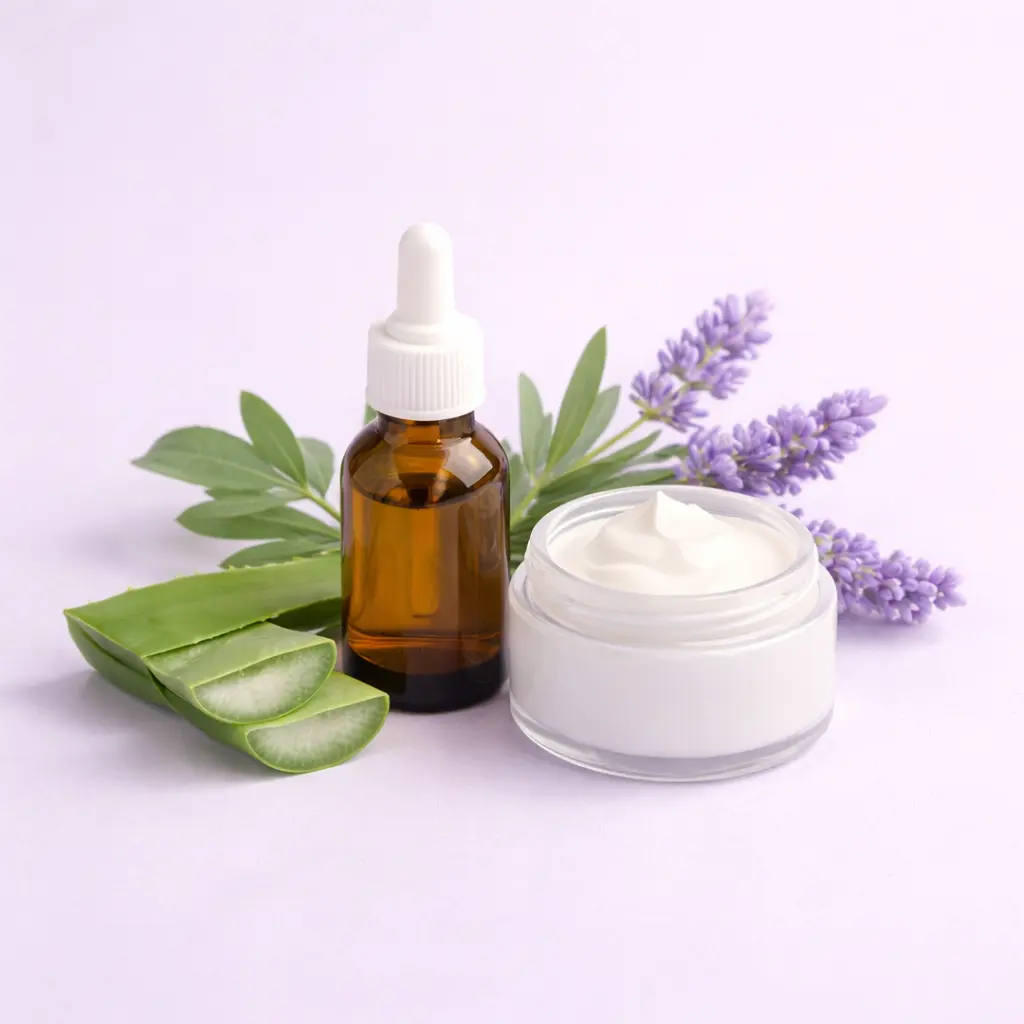 In nature:
- Herbs grow in balance
- Oils absorb slowly into the skin
- Healing happens over time
Nature never overloads the body.
But many modern “natural” skincare products are created with:
- Extremely high concentrations of actives
- Poor ingredient combinations
- Daily-use formulas that should actually be occasional treatments
- No respect for the skin’s natural rhythm
Natural ingredients are powerful — but natural does not mean unlimited use.
The Biggest Misunderstanding About Natural Skincare
Most consumers judge skincare products based on:
- Ingredient lists
- Absence of chemicals
- Green packaging
- Herbal product names
But skin does not read labels.
Skin responds to:
- Frequency
- Ingredient strength
- Repetition
- Stress signals
When a natural ingredient is used incorrectly, it stops behaving like medicine and starts behaving like irritation.
4 Reasons Why Natural Products Still Harm Skin

1. Over-Concentrated Natural Actives Stress the Skin
Many natural actives are extremely potent, including:
- Herbal extracts
- Essential oils
- Fruit-derived acids
- Botanical concentrates
When these ingredients are used:
- Too frequently
- In high percentages
- Without balancing ingredients
They can overheat the skin and weaken the skin barrier.
What begins as healing slowly becomes inflammation.
2. Daily “Detox” That Actually Strips the Skin
Many natural face packs and cleansers are marketed as detoxifying.
These products often:
- Absorb oil aggressively
- Pull impurities forcefully
- Leave the skin feeling extremely dry and tight
This sensation is often mistaken for “clean skin.”
In reality, it is barrier damage.
Skin that is repeatedly stripped — even by natural products — can become:
- Pigmented
- Sensitive
- Reactive
- Prematurely aged
3. Natural Does Not Mean Suitable for Every Skin Type
One of the biggest myths in skincare is:
“If it is natural, it will suit everyone.”
This is simply not true.
Different skin types respond differently to natural ingredients:
- Dry skin reacts badly to frequent clay use
- Sensitive skin may react to strong herbal extracts
- Acne-prone skin may worsen with heavy oils
- Pigmentation-prone skin can react to heat-producing botanicals
Nature must be matched to the skin, not forced onto it.
4. Ignoring the Skin’s Recovery Cycles
Skin repairs and regenerates itself mostly during the night.
But many natural skincare routines overload the skin with:
- Multiple masks
- Layered oils
- Toners and treatments
- Daily exfoliation
When the skin receives constant stimulation, it never gets time to recover.
Even beneficial ingredients can become noise for the skin.
Why People Blame Their Skin Instead of the Routine
When reactions occur, most people assume:
- “My skin is weak.”
- “My skin type is bad.”
- “Natural products don’t suit me.”
But the skin is rarely the real problem.
The routine is.
Skin is intelligent.
When overwhelmed, it responds with signals like dryness, breakouts, or pigmentation.
These are not failures — they are warnings.
The Correct Way to Use Natural Skincare
Natural skincare works best when it follows biological respect, not marketing trends.
This means:
- Lower concentration with consistent use
- Fewer products with thoughtful pairing
- Rest days for the skin
- Listening to skin responses instead of forcing results
Nature heals through support, not shock.
Meaningful Practices for Safe Natural Skincare
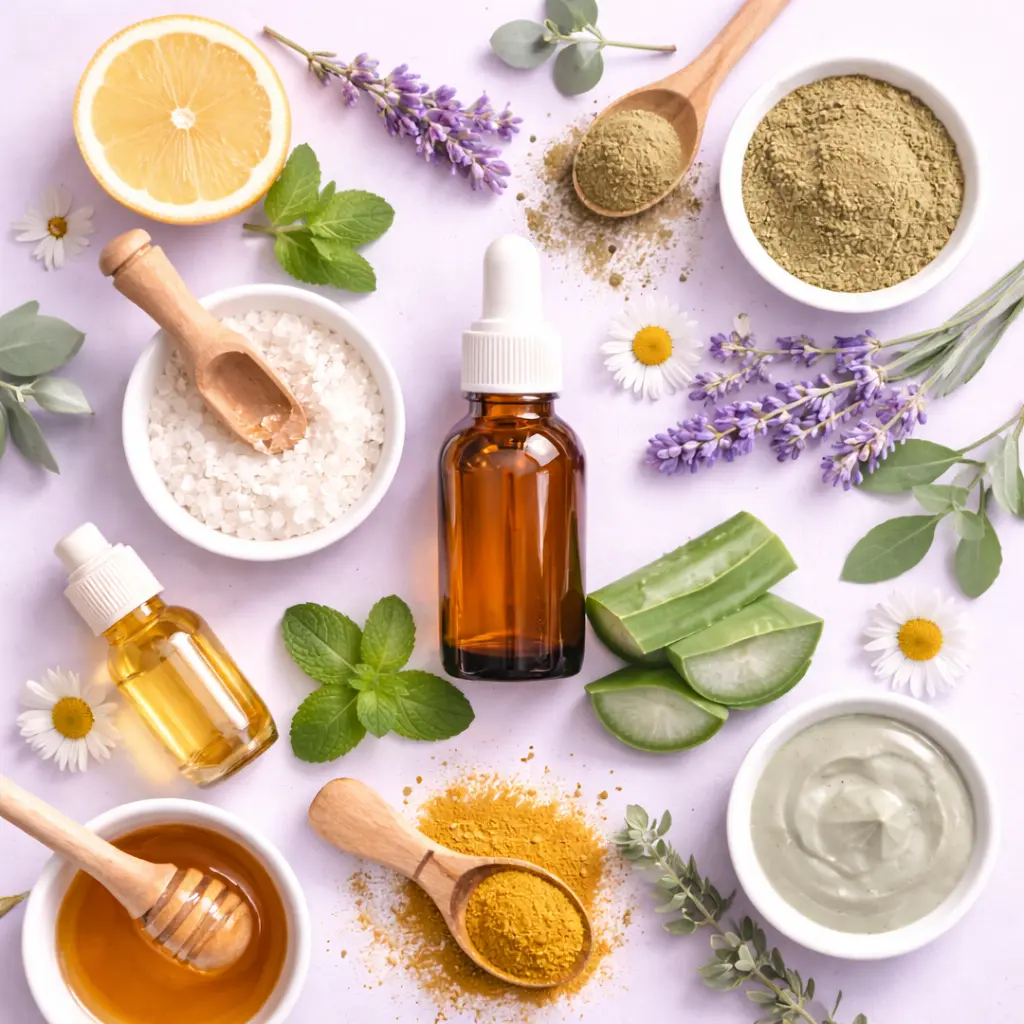
Here are simple practices that help your skin receive the benefits of nature safely.
1. Stop Daily “Treatment Mode”
Skin does not need to be treated aggressively every day.
Instead:
- Use masks and packs occasionally
- Avoid constant correction
- Allow simple skincare days
Why this matters:
Skin heals faster when it is not constantly being fixed.
2. Reduce Ingredients, Not Increase Them
A common mistake in natural skincare is using too many products together.
Instead:
- Choose simple formulations
- Avoid layering multiple strong botanicals
Why this matters:
Skin understands simplicity better than complexity.
3. Pay Attention to Sensation, Not Marketing Claims
If a product causes:
- Burning
- Tingling
- Excess dryness
It is not “working”.
It is stressing your skin.
Natural skincare should feel calming and supportive — not dramatic.
4. Give Your Skin Recovery Days
Once or twice each week:
- Use only basic skincare
- Skip masks and strong treatments
- Avoid experimenting with new products
Why this matters:
Skin repairs itself when it is allowed to rest.
5. Understand That Natural Healing Is Slow
Nature does not promise instant transformation.
If a natural product promises:
- Immediate brightness
- Overnight fairness
- Rapid correction
It is usually ignoring skin biology.
Real healing is gradual — and that is exactly why it lasts longer.
A Quiet Truth Few Skincare Brands Say Aloud
Natural skincare is extremely powerful.
That is exactly why it must be used with restraint and wisdom.
Without thoughtful formulation and responsible use, even natural ingredients can cause harm.
Final Realisation
Natural skincare is not about how green the label appears.
It is about:
- How gently the formula is designed
- How intelligently it is used
- How much space it allows the skin to heal
Nature heals best when it is respected, not exploited.