Steal Your Sleep — And How Night Rituals Restore It Naturally
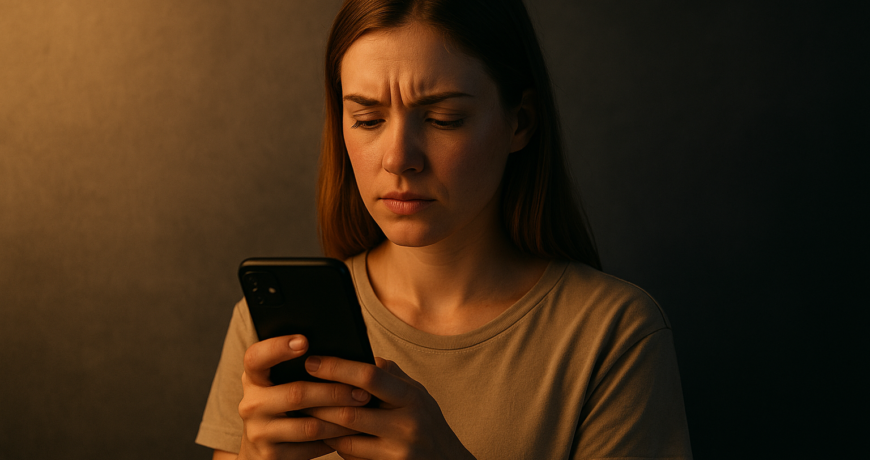
If you struggle to fall asleep even when you are exhausted,
if your mind becomes restless the moment you lie down,
if mornings feel heavy despite enough hours in bed,
the reason may not be stress alone.
It may be light — artificial light — at the wrong time.
Phones, televisions, tablets, and laptops glow inches away from our eyes long after sunset. What feels like harmless scrolling quietly interferes with the body’s natural night rhythm.
At Araah, healing begins with understanding. This guide explains why screens disrupt sleep and how gentle, ancestral night rituals restore deep rest, calm skin, and emotional balance.
The Deeper Truth: Nights Are Meant for Cooling, Not Stimulation

Before artificial lighting, human life followed the sun.
As evening arrived:
• Lights softened
• Movements slowed
• Minds settled naturally
Traditional homes used oil lamps instead of harsh light. Conversations softened. The body cooled down in preparation for rest.
This was biological wisdom.
The nervous system is designed to shift into repair mode after sunset. Sleep is not only rest. It is when:
• Skin repairs itself
• Hormones reset
• Emotional processing happens
• The nervous system heals
Modern screens interrupt this ancient rhythm.
Science Explains Why Screen Light Disrupts Sleep
What Is Blue Light
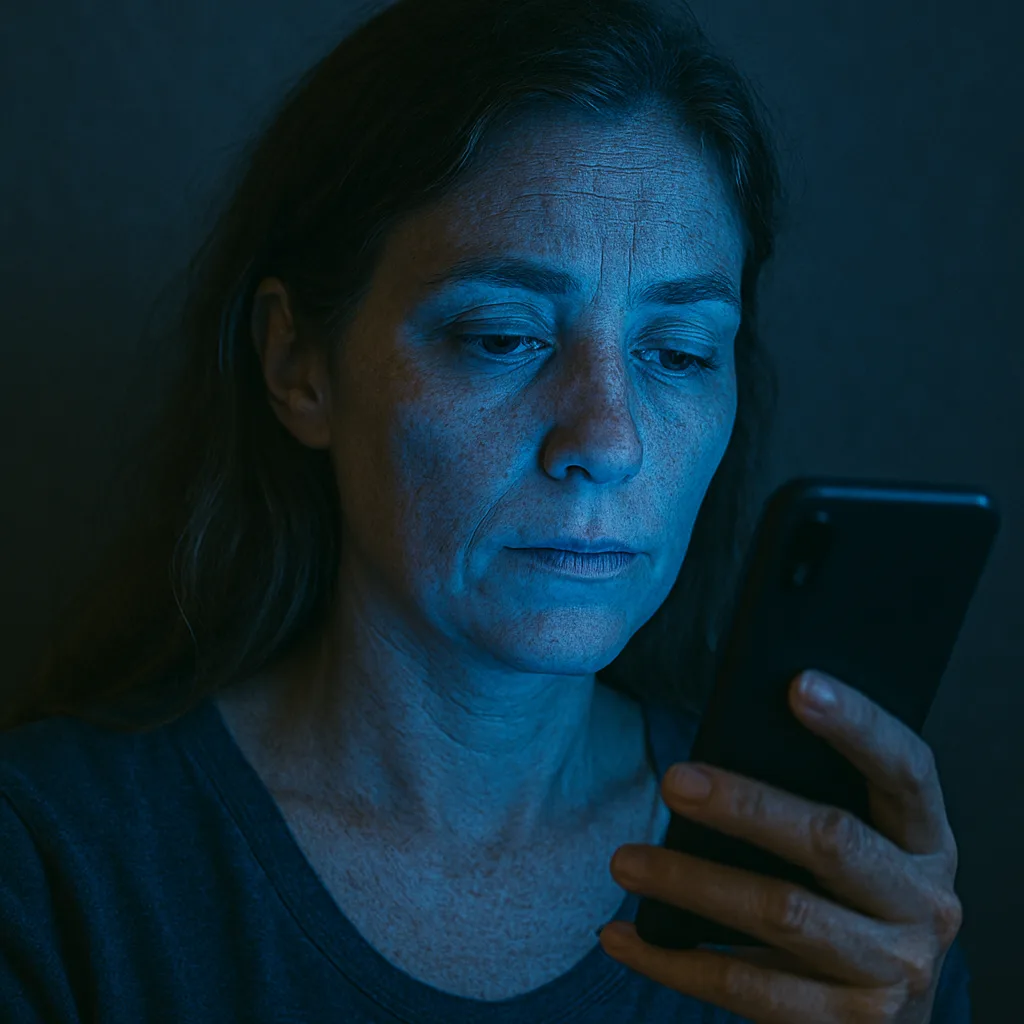
Screens emit blue wavelength light similar to sunlight.
The brain cannot differentiate between morning sun and phone light at night.
When blue light enters the eyes after sunset, the brain receives one message:
It is still daytime. Stay alert.
What Happens Inside the Body
• Melatonin, the sleep hormone, gets suppressed
• The nervous system stays in alert mode
• The brain delays the sleep cycle
Research shows that even 30 minutes of screen exposure before bed can:
• Delay sleep onset
• Reduce deep sleep quality
• Increase nighttime anxiety
This explains why many people feel tired but unable to sleep, emotionally sensitive at night, and mentally overstimulated without reason.
What Screen Light Does to Your Body and Mind
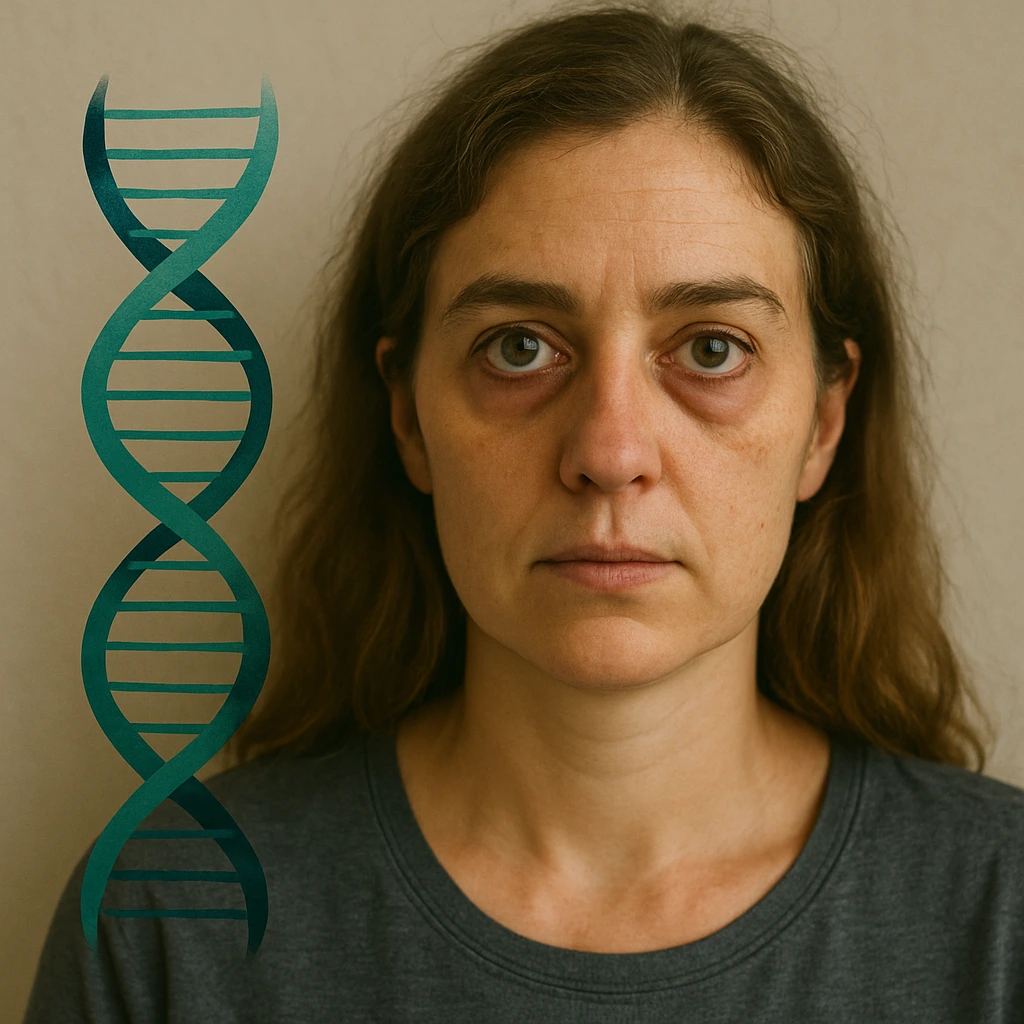
Late-night screen use affects more than sleep.
Delayed Deep Sleep
The body struggles to enter restorative sleep stages, even if you stay in bed longer.
Increased Emotional Sensitivity
Poor sleep heightens emotional reactivity, leading to irritability, anxiety, or sadness.
Raised Nighttime Anxiety
The brain remains alert, making worries feel louder after dark.
Restless and Shallow Sleep
Frequent waking and difficulty staying asleep become common.
Heavy Mornings
You wake up unrefreshed, dull, and mentally foggy.
Over time, disturbed sleep also affects:
• Skin repair and glow
• Hormonal balance
• Immune strength
Why Sleep Is Essential for Skin Healing
At Araah, skin health is never separated from internal balance.
During deep sleep:
• Skin cells regenerate faster
• Inflammation reduces
• Collagen repair increases
• Dark circles and dullness recover
When sleep is disturbed:
• Skin looks tired and uneven
• Sensitivity increases
• Healing slows
No skincare routine can fully compensate for poor sleep.
How to Protect Your Nights Gently
You do not need extreme changes.
You need consistency.
Turn Off Screens 60 to 90 Minutes Before Sleep
This allows melatonin to rise naturally.
Dim the Lights
Use warm lamps instead of bright overhead lighting.
Slow Your Breath
Breathe slowly for two to three minutes to calm the nervous system.
Reduce Mental Stimulation
Avoid intense conversations or emotionally charged content at night.
Create a Closing Ritual
The body needs a clear signal that the day is complete.
A Simple Araah Night Ritual
This ritual supports the body, mind, and skin.
• Turn off screens one hour before bed
• Dim the lights or use a soft lamp
• Wash your face gently with cool or lukewarm water
• Apply skincare slowly and mindfully
• Sit quietly for two minutes with eyes closed
• Breathe deeply and consciously
This helps:
• Shift the nervous system into rest mode
• Support skin repair
• Improve sleep quality naturally
Healing Affirmation
I allow my body to rest.
I release stimulation and return to calm.
Repeat this silently before sleep.
From Habit to Healing
Begin gently.
• Choose one night to switch screens off earlier
• Observe how your body responds
• Gradually increase screen-free time
• Maintain the ritual daily
Support healing further by:
• Ten minutes of evening stillness or meditation
• Avoiding heavy late-night meals
• Practicing food charity when possible, which calms the heart and nervous system
Healing unfolds when the body feels safe.