Why Sitting with Crossed Legs Affects Circulation, Comfort, and Skin Health
“Don’t sit with your legs crossed for too long…
your body needs balance.”
Many of us heard this growing up from a grandmother, a mother, or an elder who understood the body through observation, not textbooks. At the time, it sounded like advice about discipline or posture.
Today, science gently confirms what intuition already knew.
At Araah, we believe the body speaks softly long before it shouts. Small, unconscious daily habits shape circulation, nervous system balance, comfort, and even how skin heals and glows over time.
This blog is not about correction.
It is about awareness.
Because sometimes, changing how you sit is enough to change how your body feels.
The Deeper Truth: The Body Seeks Balance, Not Force

The human body thrives on symmetry and flow.
When posture becomes uneven, even in a way that feels comfortable, the body compensates. Blood reroutes. Muscles tighten. Nerves adapt. Over time, this compensation becomes strain that we often normalize as harmless.
From a modern perspective, prolonged leg crossing has been associated with:
• Reduced blood circulation
• Pelvic and hip misalignment
• Nerve compression
• Lower-back discomfort
From a holistic lens, this imbalance affects:
• Oxygen and nutrient delivery
• Lymphatic drainage
• Nervous system calm
• Long-term tissue health, including skin
The body does not punish.
It simply responds.
Five Ways Prolonged Leg Crossing Affects the Body
1. Restricted Blood Circulation
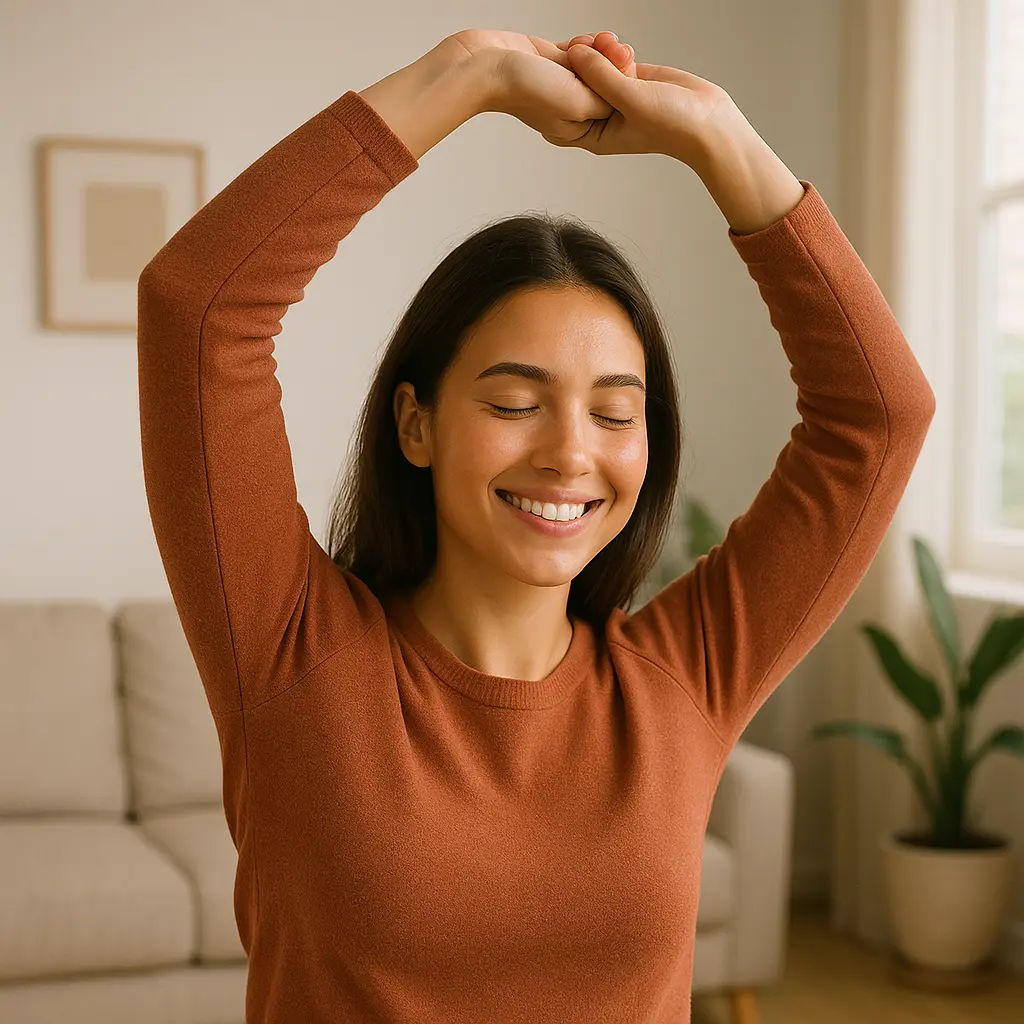
Crossing one leg over the other compresses blood vessels behind the knee and thigh.
What happens over time:
• Reduced blood flow to the lower legs
• Slower oxygen and nutrient delivery
• Heaviness or coldness in the feet
Healthy circulation is essential for tissue repair, including skin renewal.
2. Hip and Pelvic Misalignment
When the same leg is crossed repeatedly:
• The pelvis tilts unevenly
• One hip bears more weight
• Muscles shorten on one side and overstretch on the other
This quiet imbalance can contribute to lower-back stiffness and discomfort.
Comfort today should not create imbalance tomorrow.
3. Nerve Pressure and Numbness
Prolonged pressure on nerves, especially the peroneal nerve, can lead to:
• Tingling
• Temporary numbness
• Pins-and-needles sensations
The nervous system prefers space, softness, and rhythm.
4. Increased Lower-Back Strain
When the pelvis tilts, the spine compensates.
This often appears as:
• Dull lower-back discomfort
• Tight shoulders
• Fatigue after sitting, even without physical work
The body works harder when alignment is lost.
5. Subtle Impact on Skin Health
Skin depends on:
• Blood flow
• Oxygen
• Calm nervous system signals
When circulation slows and internal tension builds, skin repair also slows. This does not cause instant issues, but over time it may influence:
• Healing speed
• Sensitivity
• Dullness
• Inflammation patterns
Skin listens to posture more than we realize.
What Sitting Evenly Supports
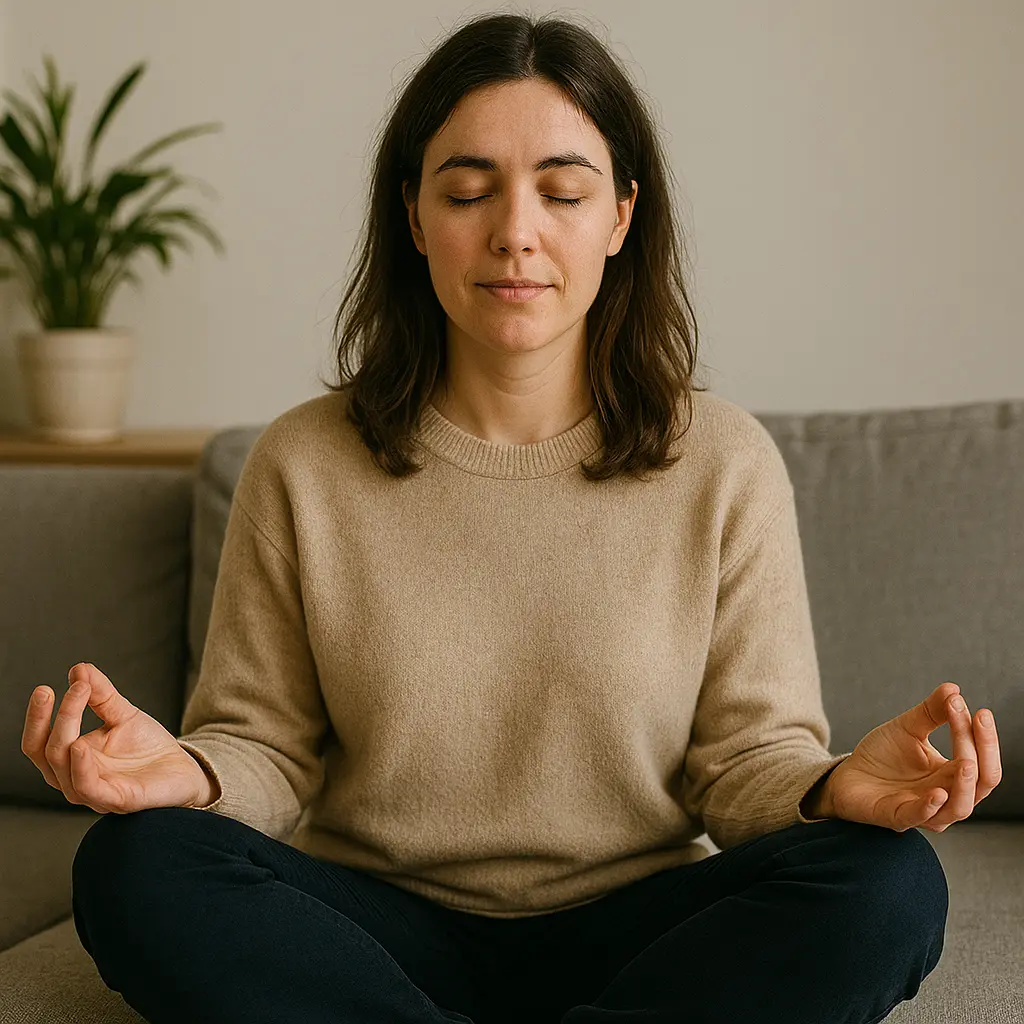
Balanced sitting does not require stiffness. It supports ease.
1. Improved Circulation
Even foot placement allows blood to move freely through the legs, supporting warmth and nourishment.
2. Neutral Hip Alignment
Balanced hips reduce joint strain and muscular compensation.
3. Reduced Lower-Back Stress
A neutral pelvis supports the spine and allows muscles to relax.
4. Less Numbness and Discomfort
Nerves remain uncompressed, supporting sensation and comfort.
5. Long-Term Joint and Skin Comfort
Consistent circulation and alignment support the body’s natural ability to heal.
Small habits protect long-term ease.
A Simple Daily Sitting Practice
This is not about rigidity.
It is about gentleness.
When you sit:
• Place both feet flat on the floor
• Let knees align naturally under hips
• Lengthen the spine softly, without stiffness
• Rest hands comfortably on thighs
• Take one slow breath before continuing your task
That one breath signals safety to the nervous system.
Healing Affirmation
I allow my body to sit in balance.
Comfort flows through me without strain.
Repeat this silently once a day while adjusting posture.
From Habit to Healing
If you sit for long hours:
• Notice leg crossing without judgment
• Uncross gently after 15–20 minutes
• Alternate sitting positions mindfully
• Pair posture awareness with slow breathing
Support your body further with:
• Short walking breaks
• Gentle stretches
• Calm, nourishing routines
Healing is cumulative.
Supporting the Body Beyond Posture
True comfort is supported by:
• Hydration
• Calm digestion
• Gentle skincare
• Emotional ease
Posture awareness works best when paired with:
• Evening oil massage
• Breath-focused pauses
• Acts of kindness that soften the nervous system
A relaxed body heals faster.
Araah’s Belief
We do not force the body into perfection.
We listen, adjust, and allow balance to return naturally.
Sometimes the smallest correction, done daily, becomes the greatest form of care.
Final Reflection
Your body speaks quietly.
Listening is the first form of care.
Explore Araah’s philosophy of gentle balance, where daily habits, calm rituals, and conscious care come together to support lasting comfort and natural glow.